



A Transformative Approach to Safety
Measuring Aggression to Prevent Harm
At the core of our work - through the Critical Aggression Prevention System (CAPS) and our books Before Conflict, Bridging Political Divides, and Safe Schools, Safe Futures - is a simple but powerful idea:Aggression can be measured.
At the core of this approach is a simple but critical principle:
If something cannot be measured, it cannot be effectively managed - especially in time to matter.
For decades, aggression has largely been treated as subjective - interpreted after the fact, debated, or addressed only once it becomes visible as a problem.
That is why systems today are reactive.
They respond after:
- A complaint is filed
- An incident occurs
- A formal process begins
- A victim
- A perpetrator
- A cost - human, operational, and financial
They are simply too late.
The shift from reaction to prevention
CAPS introduces a different approach.
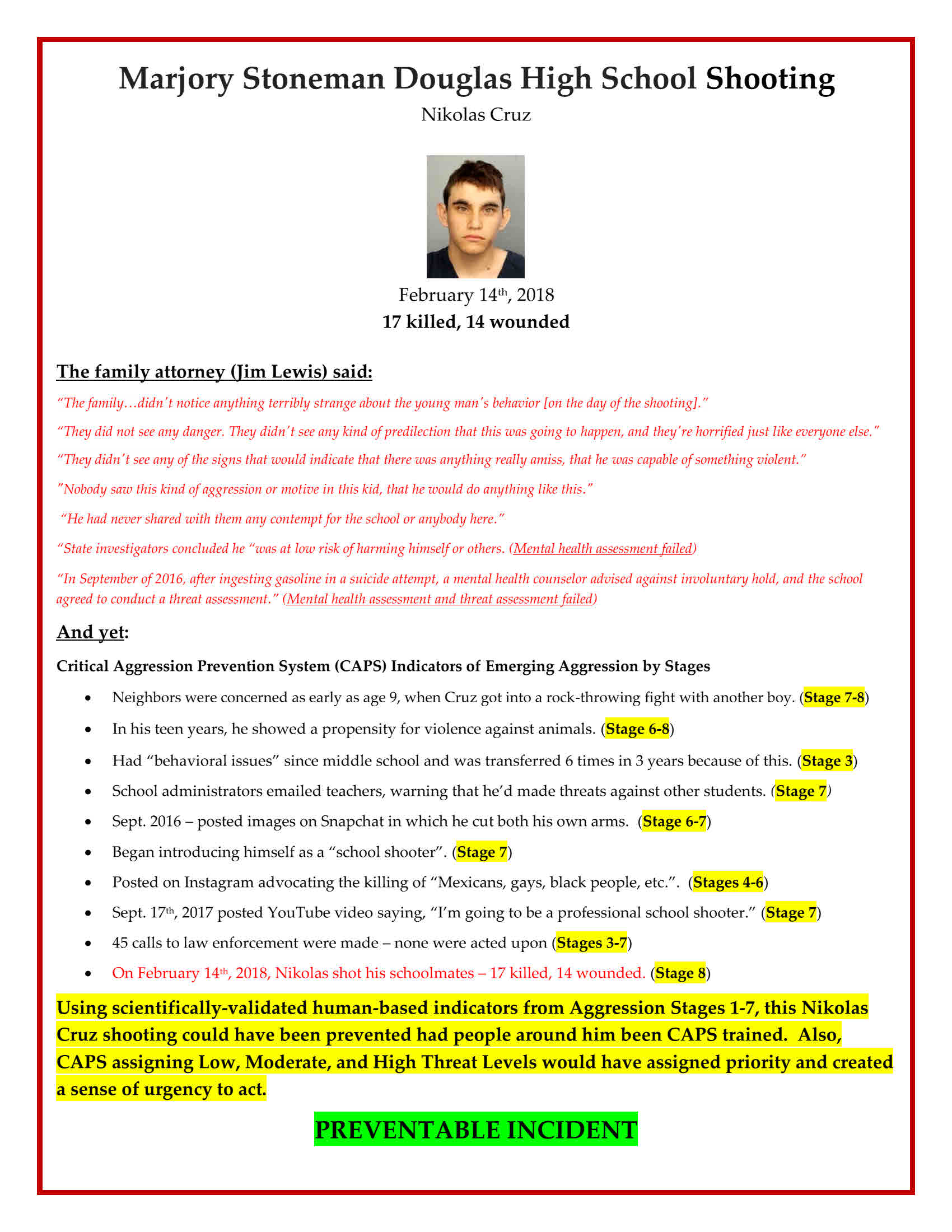
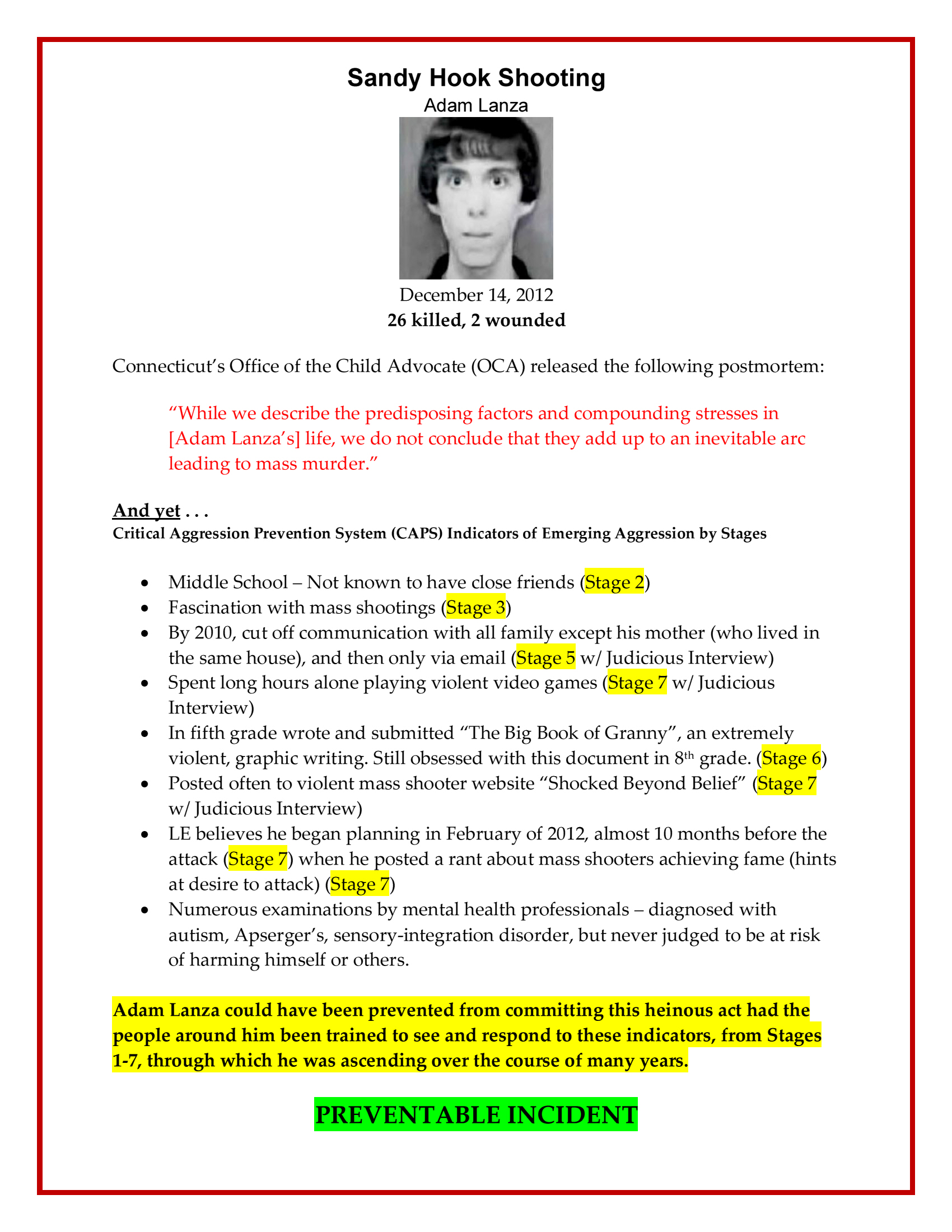
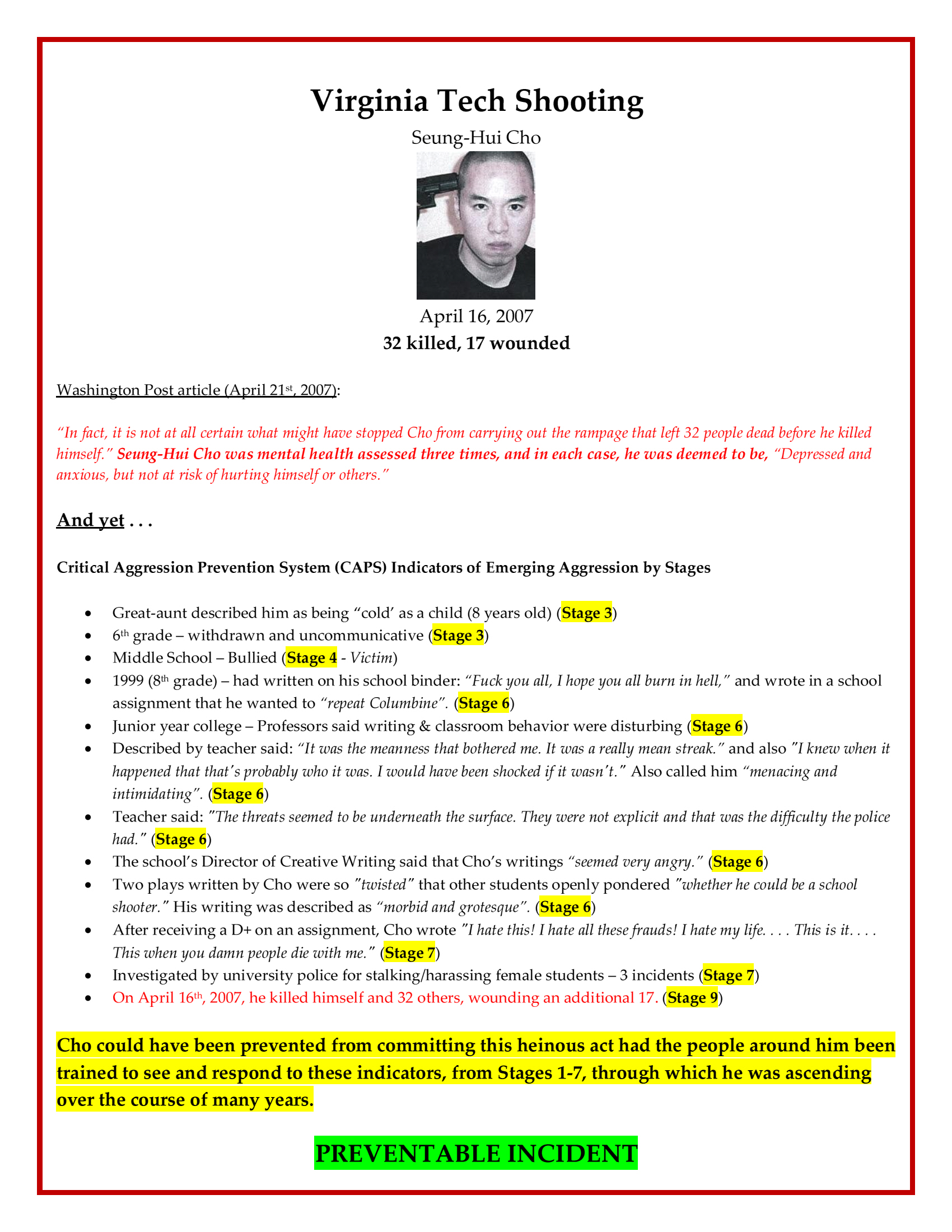
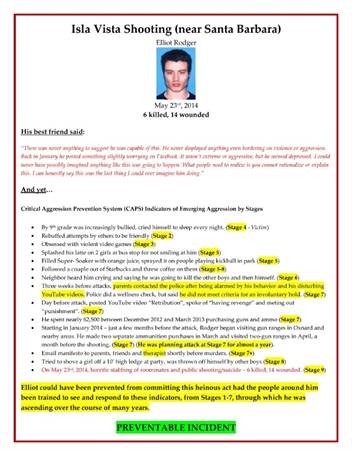
Instead of waiting for incidents, CAPS focuses on the earliest observable changes in behavior - the moment a person begins to shift from assertive to aggressive behavior.
Traditional approaches - including conflict resolution, workplace violence programs, and responses to bullying, abuse, discrimination, and sexual harassment - are designed to act after behavior has escalated.
At that point, they are necessarily reactive and often punitive.
There is already:
-
A victim
-
A perpetrator
-
A significant cost to the employer - both human and financial
These systems play an important role, but they address outcomes, not prevention.
CAPS operates earlier.
This is where:
-
Judgment is still intact
-
Outcomes are still influenceable
-
Intervention is most effective
This is where prevention actually happens.
Why measuring aggression changes everything
When aggression can be measured, it is no longer abstract or dependent on hindsight. With CAPS these measures are scientifically reliable.It becomes:
- Observable through behavior
- Measurable in real time
- Actionable before escalation occurs
- Identify early-stage precursors
- Engage before escalation takes hold
- Redirect behavior toward constructive outcomes
The result
When intervention happens early:- People do not become victims
- Individuals do not progress into perpetrators
- Organizations avoid the financial and operational costs of incidents
- Trust, safety, and productivity improve
A different way forward
With CAPS, we no longer have to wait for violence, harassment, or misconduct to occur.We can identify precursors.
We can engage early.
We can change outcomes.
Prevention is no longer a concept. It becomes a capability.
Artificial Intelligence and the Future of Prevention
As technology continues to reshape every industry, we believe artificial intelligence will play a central role in advancing proactive safety and behavioral analytics. To deepen our understanding and apply these innovations to the Critical Aggression Prevention System (CAPS), Dr. Byrnes has completed certification through Harvard Business School’s Digital Data Design Institute (D³). These 8 courses explored the strategic, ethical, and operational uses of AI, knowledge that now informs how CAPS integrates cutting-edge technology to identify and prevent aggression with scientific reliability.







The Critical Aggression Prevention System (CAPS)
The Center for Aggression Management, Inc. developed the Critical Aggression Prevention System (CAPS) to address a gap that exists in virtually every organization today:
The absence of a reliable way to recognize and address aggression before it becomes harm.
CAPS is a scientifically reliable, behavior-based prevention capability that identifies observable precursors to aggression and enables early, effective intervention.
It does not rely on subjective mental health assessments.
It does not violate privacy regulations.
And it does not wait for an incident to occur.
Instead, CAPS allows organizations to engage earlier - when behavior is still influenceable - and redirect outcomes before they become costly events.
The result is a safer, more stable, and more productive environment - without the limitations of reactive, punitive systems.
If you would like to explore whether CAPS makes sense for your organization, I invite you to schedule a conversation.
Let me Introduce you to "The Prevention Paradox!"
Most organizations believe they have prevention in place.
In reality, most systems are designed to respond to problems—not prevent them.
This is the Prevention Paradox.
Programs addressing sexual harassment, bullying, abuse, discrimination, and workplace violence typically activate after behavior has already escalated.
At that point:
-
There is already a victim
-
There is already a perpetrator
-
There is already organizational exposure—human, legal, and financial
These systems are necessary. But they are not preventive.
They are reactive by design.
CAPS resolves this paradox by focusing on early, observable behavioral changes—before escalation takes hold.
Using scientifically reliable indicators of behavior, CAPS enables intervention at the point where:
-
Judgment is still intact
-
Behavior can still be redirected
-
Outcomes can still be changed
This approach is rehabilitative, not punitive, and operates fully within privacy frameworks, including HIPAA, FERPA, and the Civil Rights Act.
Comparing Your Current Programs
See how CAPS work
In a 45-minute executive briefing (with 15 minutes for discussion), you will see:
-
Why current systems miss the earliest stages of aggression
-
How CAPS identifies and measures behavioral precursors
-
What early intervention looks like in practice
- How this applies across workplace safety, HR, healthcare, and insider threat
You will leave with a clear understanding of whether this capability fills a gap in your organization.
Schedule a time that works best for you and invite your team.
Comparing Your Current Programs vs. CAPS
Your Current Programs
-
Rely heavily on subjective assessments and post-incident interpretation
-
Activate after escalation (complaints, reports, investigations)
-
Are inherently reactive and often punitive
-
Address outcomes, not early-stage behavior
-
Provide limited ability to prevent insider threats (behavioral or cyber)
-
Depend on reporting systems that are inconsistent and unreliable
Result:
Intervention occurs after harm, when options are limited and costs are high.
Critical Aggression Prevention System (CAPS)
-
Identifies observable, measurable precursors to aggression
-
Enables early engagement before escalation
-
Operates as a scientifically reliable, behavior-based system
-
Functions without violating privacy regulations (HIPAA, FERPA, Civil Rights Act)
-
Supports real-time awareness and longitudinal understanding of behavior
-
Applies across violence, harassment, bullying, discrimination, and insider threats
Result:
No victims. No perpetrators. Significant reduction in human and financial cost.
A different standard
CAPS is not an incremental improvement.
It represents a different standard:
From reacting to incidents → to preventing them.
Call to action
If you’d like to explore how this applies to your organization:
Schedule a conversation with Dr. John D. Byrnes
Learn how and why our Critical Aggression Prevention System (CAPS) works. Register for our next free one-hour CAPS webinar!
Make an appointment with Dr. Byrnes to learn more.